Rosemary And Lavender: The Perfect Pair
Rosemary and Lavender: The Perfect Pair
Rosemary and lavender are two of the most popular herbs in the world. They are both native to the Mediterranean region and have a long history of use in cooking, medicine, and perfumery.
In addition to their shared history and origin, rosemary and lavender also share a number of other similarities. Both herbs are evergreen, drought-tolerant, and sun-loving. They also have a strong, distinctive aroma that is both calming and invigorating.
But perhaps the most important similarity between rosemary and lavender is their complementary flavors. The sharp, piney flavor of rosemary perfectly complements the sweet, floral flavor of lavender. This makes them a natural pairing in a variety of dishes, as well as in essential oils, bath products, and other scented items.
In the Garden
Rosemary and lavender are both relatively easy to grow in the garden. They prefer full sun and well-drained soil. Rosemary is a bit more cold-sensitive than lavender, so it is important to protect it from frost in colder climates.
Both herbs can be grown in containers or in the ground. If you are growing them in containers, make sure to use a pot that is at least 12 inches in diameter.
In the Kitchen
Rosemary and lavender are both versatile herbs that can be used in a variety of dishes. Rosemary is a popular ingredient in Mediterranean cuisine, and it is often used to flavor grilled meats, poultry, and fish. Lavender is also a good choice for grilling, and it can also be used in salads, soups, and stews.
Here are a few ideas for using rosemary and lavender in the kitchen:
- Rosemary-infused olive oil: This is a classic Mediterranean condiment that is perfect for drizzling on grilled meats, fish, or vegetables.
- Lavender shortbread cookies: These cookies are light and flavorful, and they are the perfect way to enjoy the taste of lavender.
- Rosemary and lavender risotto: This risotto is creamy and flavorful, and it is the perfect way to showcase the complementary flavors of rosemary and lavender.
In Essential Oils
Rosemary and lavender essential oils are both highly valued for their therapeutic properties. Rosemary oil is known for its stimulating and invigorating effects, while lavender oil is known for its calming and relaxing effects.
Both oils can be used in a variety of ways, including aromatherapy, massage, and topical application. They can also be used to make diffuser blends, bath salts, and other scented products.
In Bath Products
Rosemary and lavender are both popular ingredients in bath products. They can be used to create a relaxing and calming bath experience.
Here are a few ideas for using rosemary and lavender in bath products:
- Rosemary and lavender bath salts: These bath salts are easy to make and they are a great way to enjoy the benefits of rosemary and lavender.
- Rosemary and lavender bubble bath: This bubble bath is a luxurious way to relax and unwind.
- Rosemary and lavender bath oil: This bath oil is a great way to hydrate the skin and soothe away stress.
Conclusion
Rosemary and lavender are two of the most versatile and beneficial herbs in the world. They can be used in a variety of ways, from cooking to essential oils to bath products. Their complementary flavors and therapeutic properties make them a natural pairing in any application.
Rosemary and lavender are two of the most popular herbs in the world, and for good reason. They're both beautiful, fragrant, and have a variety of culinary and medicinal uses. But did you know that they're also great companion plants?
When planted together, rosemary and lavender can help to repel pests, attract pollinators, and improve the overall health of your garden. They also have similar growing requirements, so they're easy to care for.
If you're thinking about planting rosemary and lavender together, I recommend visiting Gardenia Inspiration. This website has a wealth of information about these two herbs, including how to plant them, how to care for them, and the benefits of planting them together.
FAQ of rosemary and lavender planted together
Q: Can I plant rosemary and lavender together?
A: Yes, rosemary and lavender can be planted together. They are both Mediterranean plants that prefer full sun and well-drained soil. However, it is important to plant them at least 18 inches apart, as rosemary can become quite large. Additionally, rosemary is not as cold tolerant as lavender, so if you live in a cooler climate, you may want to plant them in a protected location.
Q: Do rosemary and lavender go well together?
A: Yes, rosemary and lavender go well together. They have similar growing requirements and attract the same pollinators. Additionally, the fragrance of rosemary can help to deter pests, such as rabbits and deer.
Q: What are the benefits of planting rosemary and lavender together?
A: There are several benefits to planting rosemary and lavender together. First, they can help to attract pollinators, such as bees and butterflies. This is beneficial for both plants, as pollinators help to spread pollen and promote pollination. Additionally, the fragrance of rosemary can help to deter pests, such as rabbits and deer. Finally, rosemary and lavender can simply look beautiful together in a garden.
Q: What are some tips for planting rosemary and lavender together?
A: Here are some tips for planting rosemary and lavender together:
- Plant them at least 18 inches apart.
- Choose a location that gets full sun and has well-drained soil.
- If you live in a cooler climate, plant them in a protected location.
- Water them regularly, especially during the first year.
- Fertilize them in the spring and summer.
Q: What are some common problems with planting rosemary and lavender together?
A: There are a few common problems that can occur when planting rosemary and lavender together. These include:
- Overwatering: Rosemary and lavender are both drought-tolerant plants, so it is important not to overwater them.
- Pests: Rosemary and lavender can be susceptible to pests, such as aphids and spider mites. If you see any pests, treat them immediately.
- Diseases: Rosemary and lavender can be susceptible to diseases, such as powdery mildew and root rot. If you see any signs of disease, treat them immediately.
Image of rosemary and lavender planted together
- Image 1: A pot of rosemary and lavender plants in a sunny garden. The rosemary is a deep green color, while the lavender is a light purple. The plants are in full bloom, and their flowers are attracting bees and butterflies.
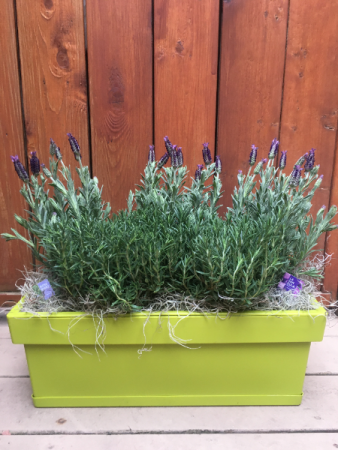
- Image 2: A row of rosemary and lavender plants in a garden bed. The rosemary plants are taller than the lavender plants, and they have a more bushy growth habit. The lavender plants are shorter and have a more upright growth habit.

- Image 3: A close-up of a rosemary and lavender plant. The rosemary leaves are needle-like and have a strong, piney scent. The lavender flowers are small and purple, and they have a sweet, floral scent.
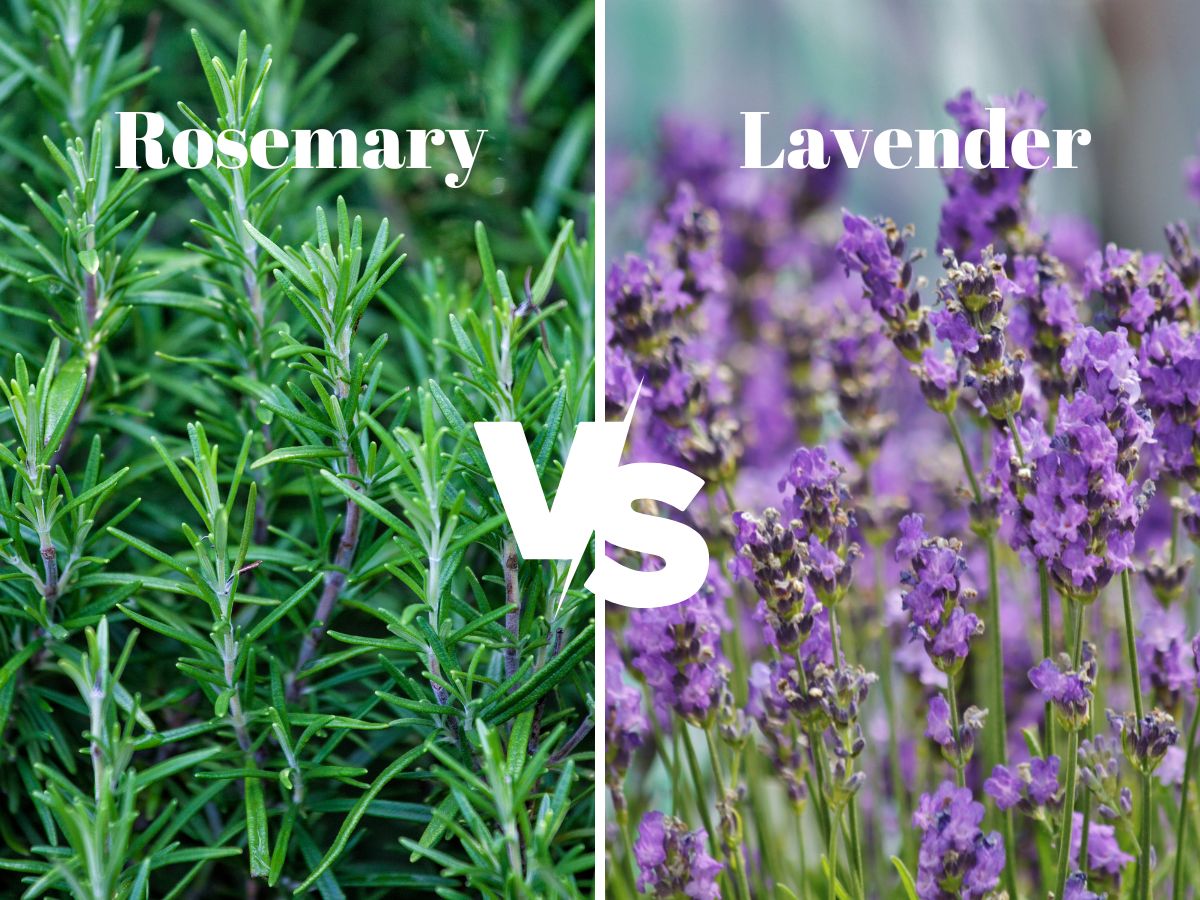
- Image 4: A bouquet of rosemary and lavender flowers. The flowers are arranged in a vase, and they are surrounded by greenery. The bouquet is a beautiful and fragrant addition to any home.

- Image 5: A jar of dried rosemary and lavender flowers. The flowers are dried and arranged in a jar. They can be used to make potpourri or to add flavor to food.


Post a Comment for "Rosemary And Lavender: The Perfect Pair"